What is Anxiety disorders
Anxiety disorders are the most common mental health conditions in India, affecting an estimated 38 million people. Unlike normal anxiety — a natural response to stress — anxiety disorders involve excessive, persistent fear or worry that is disproportionate to the situation and significantly interferes with daily life. They include Generalised Anxiety Disorder (GAD), Panic Disorder, Social Anxiety Disorder, Specific Phobias, Health Anxiety and Separation Anxiety. All are highly treatable with evidence-based CBT and medication

Generalised Anxiety Disorder (GAD)
Persistent, excessive worry about multiple areas of life such as work, health, or family that is difficult to control.
Panic Disorder
Recurrent panic attacks involving sudden, intense episodes of fear with symptoms like palpitations, breathlessness, and dizziness.
Social Anxiety Disorder (SAD)
Intense fear of social situations and scrutiny by others, often leading to avoidance, distress, and isolation.
Health Anxiety
Persistent preoccupation with having or developing a serious illness despite repeated medical reassurance.
Specific Phobias
Irrational fear of specific objects or situations such as heights, flying, or spiders that causes significant avoidance behaviour.
Separation Anxiety
Excessive fear or distress related to separation from attachment figures, which can also affect adults.
Symptoms of Anxiety Disorders
Recognising the signs early leads to better outcomes. Common indicators include:
Excessive, uncontrollable worry about multiple topics
Recurrent panic attacks — pounding heart, breathlessness, dread
Avoidance of situations triggering anxiety
Physical symptoms — tension, fatigue, headaches, nausea
Difficulty concentrating or mind going blank
Restlessness, feeling on edge or irritability
Sleep disturbances — difficulty falling or staying asleep
Significant impact on work, relationships or daily functioning
When to seek anxiety disorder treatment
Anxiety disorders rarely improve without treatment and often worsen over time. Seek specialist help if:
- Anxiety is persistent and difficult to control
- Panic attacks are occurring frequently
- You are avoiding situations due to anxiety
- Anxiety is significantly affecting work or relationships
- Physical symptoms (palpitations, breathlessness) have no medical cause
Treatment approach at Athena
All treatment programs are personalised, evidence-based and delivered with complete confidentiality.
Psychiatric assessment & diagnosis
Detailed evaluation of anxiety type, severity and co-occurring conditions.
Cognitive Behavioural Therapy (CBT)
Individual therapy addressing anxious thoughts, avoidance behaviours and physical symptoms.
Exposure therapy
Gradual, supported exposure to feared situations to reduce avoidance.
Medication management
SSRIs, SNRIs or buspirone prescribed and monitored where indicated.
Relapse prevention & long-term skills
Maintenance strategies to manage anxiety independently after treatment.

Doctors treating Anxiety Disorder at Athena

Dr. Ashish Mittal
MBBS, MD Psychiatry (AIIMS Delhi) · 23+ years
Addiction Specialist, Gurgaon
Dr. Rahul Raii
MBBS, MD Psychiatry · 15+ years
De-addiction Specialist, Chandigarh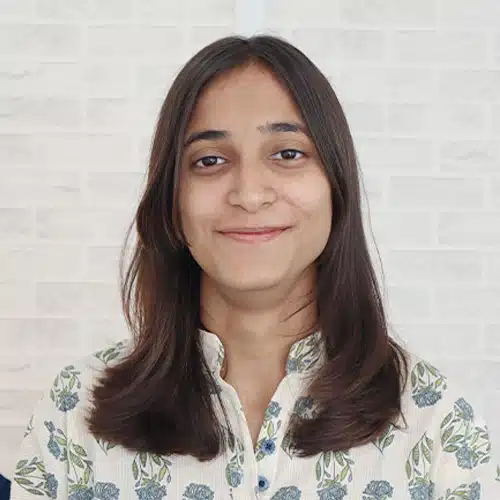
Aarti Singh
MBBS, MD Psychiatry (PGIMER) · 15+ years
De-addiction Specialist, ChandigarhAnxiety Disordertreatment centers
Gurgaon Center
Haryana
Noida Center
Uttar Pradesh
Delhi Center
Delhi NCR
Guwahati Center
Assam
Frequently asked questions
What is the most effective treatment for anxiety disorder?
CBT combined with medication (SSRIs/SNRIs) is the most effective treatment for most anxiety disorders. CBT alone is sufficient for mild to moderate anxiety.
How long does CBT for anxiety take?
A standard CBT course for anxiety is 12–20 sessions over 3–5 months. Most patients notice significant improvement within 6–8 sessions.
Can anxiety be treated without medication?
Yes. CBT alone is effective for many anxiety disorders. Medication is added when anxiety is severe or when CBT alone provides insufficient relief.
Is anxiety different from stress?
Yes. Stress resolves when the stressor is removed. Anxiety disorders involve excessive fear and worry that persists regardless of the situation.
Are anxiety disorders common in India?
Extremely common — estimated 38 million Indians have an anxiety disorder. All anxiety disorders are highly treatable; early intervention produces the best outcomes.