If you need to speak to someone right now:
Get Expert Psychiatric Help Today.
India’s Trusted Network of Mental Health Hospitals & De-Addiction Rehab Centres in Delhi, Gurgaon, Noida & Guwahati
50,000+
Patients treated nationally
NABH
Accredited mental health centres
4 Cities
Gurgaon · Noida · Delhi · Guwahati
200+ Beds
Safe, private recovery space
Evidence-based pathways for the full spectrum of psychiatric and addiction conditions.
Therapy & medication management
CBT-based, evidence-backed
Specialist ERP therapy
Mood stabilisation & support
Structured inpatient care
Safe detox & relapse prevention
Comprehensive recovery programmes
Trauma-focused therapy & support
Structured therapy & emotional regulation
Digital, gambling & habit recovery
Mental health and addiction conditions worsen if left untreated. Early support leads to faster, smoother recovery.
Warning Signs to Watch for
If you or a loved one is experiencing any of the following, speaking to a specialist is the right next step.
Every treatment plan follows a proven four-stage clinical framework, personalized to each individual's needs.
01 - Assess
Thorough psychiatric and psychological assessment by senior clinicians to define your care pathway.
02 - Stabilize
Medically supervised detox in a secure, comfortable environment with round-the-clock clinical support.
03 - Treat
Evidence-based therapy, medication management, and holistic interventions tailored to you.
04 - Sustain
Ongoing follow-up, relapse prevention, and community support to keep you on track post-discharge.
Trained at India's most prestigious institutions. Every clinician is handpicked for clinical excellence and compassionate care.
Dr. Nimesh G Desai
Director-Clinical GovernanceDr. Supriya Mathur
Consultant PsychiatristDr. Sushil Agarwala
Consultant PsychiatristDr. Sahil Agarwal
Consultant Psychiatrist
Your privacy is our absolute priority. All admissions handled with complete discretion.
Every clinician trained at India's most prestigious medical institutions.
Dedicated facilities for a comfortable, safe, and appropriate environment.
Treatment architecture designed for measurable, lasting clinical results.
Centres designed for comfort, healing, and clinical safety - not repurposed buildings.
Our relationship doesn't end at discharge. We support your lifelong journey.
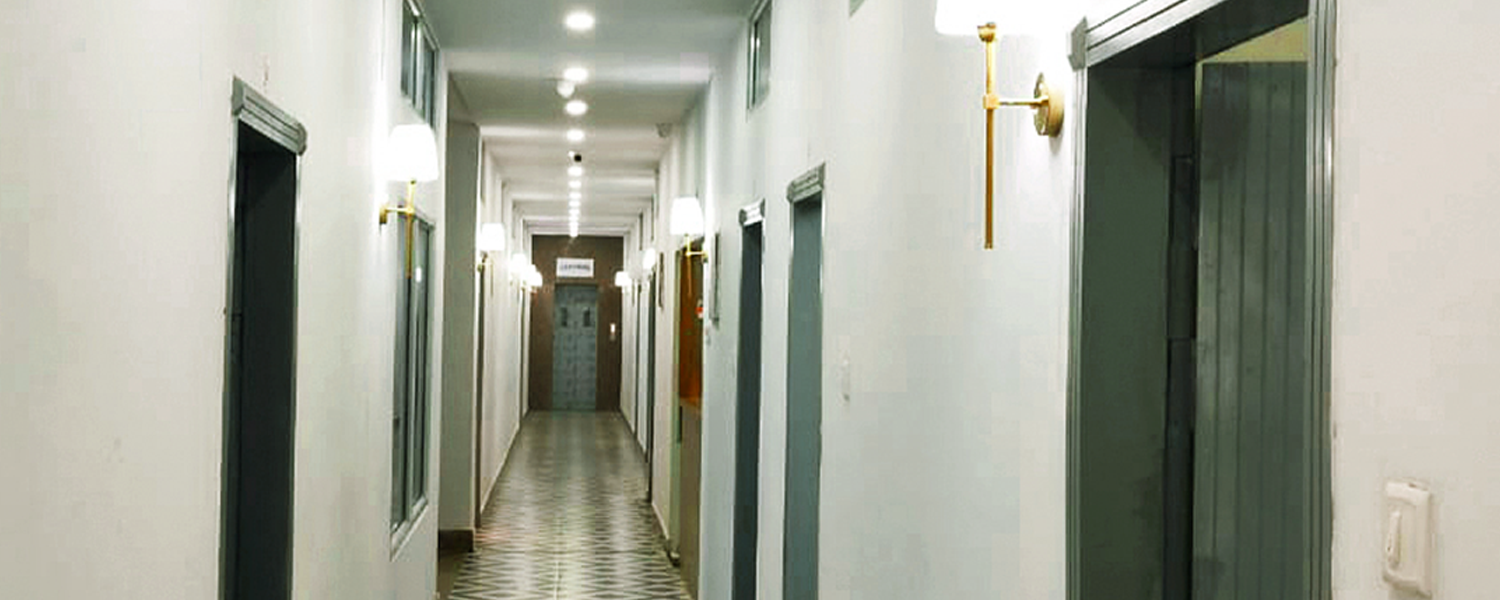
Safe, serene, and fully confidential - our centres are purpose-built for healing and recovery.
Athena Behavioral Health - Gurgaon
Athena Behavioral Health - Noida
Athena Behavioral Health - Guwahati
We work with most major insurance providers to help make care accessible and affordable. Use our secure, confidential online form to instantly verify your benefits in under 30 seconds.
Verify Insurance OnlineWe are in-network with most major insurance providers
Explore real questions families ask and honest answers that help you decide.
Escaping addiction or severe mental health needs can feel overwhelming, but early action changes outcomes dramatically.
What you’re feeling: Confusion, doubt, hoping it’s just a phase.
Our honest answer: If this question has come up more than once, it’s usually not a phase anymore. Families often normalize things slowly—until it becomes overwhelming.
What we’ve seen repeatedly is this:
You don’t need to wait for things to get worse to justify getting help.
What you’re feeling: Fear of losing their trust or being seen as the “bad one.”
Our honest answer: Yes, there can be anger initially—especially if the person is in denial. That’s natural.
But once treatment begins and clarity improves, most patients actually say: “I needed this, even if I couldn’t see it then.”
Not acting often leads to:
Admission, when done right, is not betrayal—it’s protection.
What you’re feeling: Helplessness, exhaustion, constant arguments.
Our honest answer: This is one of the most common situations we handle. Refusal doesn’t mean treatment is impossible—it means the approach needs to change.
We help families with:
Most patients who initially refuse eventually agree when approached correctly.
What you’re feeling: Fear of neglect, harsh treatment, loss of dignity.
Our honest answer: This is a valid concern—and you should never ignore it while choosing a center.
A good treatment environment is:
Recovery only works when a person feels safe and understood—not punished.
What you’re feeling: Fear of replacing one problem with another.
Our honest answer: Medication is used as a support tool, not a lifelong crutch.
The goal is:
Where possible, medications are gradually reduced under supervision. We focus on long-term independence—not dependency.
What you’re feeling: Fear of permanent damage or losing the person you knew.
Our honest answer: Recovery doesn’t mean going back to the past—it means building a healthier, more stable version of life.
We’ve seen individuals:
With the right treatment, recovery is not just possible—it’s expected.
What you’re feeling: Social pressure, stigma, fear of judgment.
Our honest answer: This is one of the biggest reasons families delay treatment.
But here’s the reality:
Your family’s wellbeing matters more than opinions.
What you’re feeling: Guilt, self-blame, questioning your role.
Our honest answer: Families don’t cause addiction or mental illness—but they often carry the burden of fixing it.
Blame keeps you stuck. Support moves things forward.
What you’re feeling: Fear of investing everything and starting over again.
Our honest answer: Relapse can happen—but it is not failure, it’s part of the recovery process for many.
What reduces relapse significantly:
Treatment doesn’t just help them stop—it teaches them how to stay better.
What you’re feeling: Fear of making the wrong decision under pressure.
Our honest answer: You should take your time to evaluate. Look for:
A good center doesn’t just admit patients—it supports families throughout.
What you’re feeling: Long-term worry—education, job, reputation.
Our honest answer: Taking a short pause for treatment protects the future.
Without treatment:
Treatment is not a setback—it’s a reset.
What you’re feeling: Fear they’ll feel alone, abandoned, or disconnected.
Our honest answer: Treatment is not isolation—it’s structured engagement.
Patients are involved in:
Family connection is maintained in a guided and healthy way.
What you’re feeling: Fear of physical suffering.
Our honest answer: Withdrawal can be uncomfortable—but doing it alone is what makes it dangerous.
With medical supervision:
Detox is the first step—but it doesn’t have to be a traumatic one.
What you’re feeling: Fear of going back to the same cycle.
Our honest answer: Discharge is not the end—it’s the transition.
We prepare families with:
Recovery continues at home—but now with guidance.
What you’re feeling: Hope that things might improve naturally.
Our honest answer: This is the hardest truth:
Addiction and mental health conditions rarely improve on their own—they usually progress.
You’re not here because things are fine. You’re here because something doesn’t feel right anymore. And that instinct is important.
Talk to someone who understands. One honest conversation can bring clarity, direction, and relief.
Stories of Hope and Recovery
Real outcomes from real people. Thousands of lives transformed through expert, compassionate care.
Speak to Our Care Team - 24×7 Confidential Support
Confidential help is just a call or chat away. Our team is ready to listen - without judgment, without pressure.